
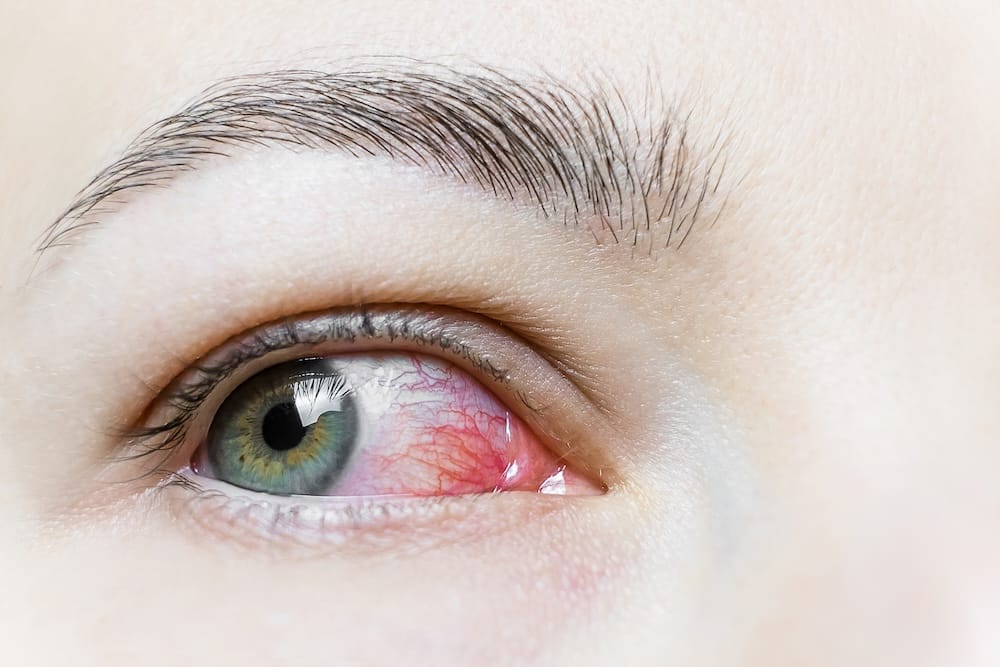
Eye Allergy Treatment in Liberty Hill, TX
Liberty Hill Vision in Liberty Hill, Texas provides expert diagnosis and treatment for eye allergies, helping you find relief from itchy, red, watery eyes. Our comprehensive approach addresses both seasonal and year-round eye allergy symptoms so you can enjoy clear, comfortable vision.
What Are Eye Allergies?
Eye allergies, also called allergic conjunctivitis, occur when your eyes react to allergens in the environment. Your immune system identifies these normally harmless substances as threats and releases histamine, causing inflammation and irritation in the eyes. Eye allergies are extremely common, affecting millions of people, especially during spring and fall allergy seasons.
Common Eye Allergy Triggers
Eye allergies can be caused by various environmental factors:
Seasonal Allergens:
- Pollen from trees, grasses, and weeds
- Mold spores
- Outdoor allergens that peak in spring and fall
Year-Round Allergens:
- Dust mites
- Pet dander from cats and dogs
- Indoor mold
- Cockroach droppings
Other Irritants:
- Smoke and air pollution
- Perfumes and cosmetics
- Chlorine in swimming pools
- Contact lens solutions (if allergic)
Eye Allergy Symptoms
If you have eye allergies, you may experience:
- Itchy eyes (often the most bothersome symptom)
- Red or pink eyes
- Watery, tearing eyes
- Burning or stinging sensation
- Swollen eyelids
- Sensitivity to light
- Gritty feeling in the eyes
- Blurred vision from excessive tearing
Eye allergy symptoms often occur alongside nasal allergies, causing sneezing, runny nose, and congestion.
Eye Allergies vs. Eye Infections: Know the Difference
It’s important to distinguish between allergies and infections:
Eye Allergies:
- Itching is the primary symptom
- Affects both eyes equally
- Watery, clear discharge
- Occurs seasonally or with allergen exposure
- No pain
Eye Infections (Conjunctivitis):
- More burning than itching
- May affect one eye first
- Thick, yellow or green discharge
- Can occur any time
- May include pain
If you’re unsure whether you have allergies or an infection, visit Liberty Hill Vision for an accurate diagnosis.
Eye Allergy Treatment in Liberty Hill
At Liberty Hill Vision, we offer effective treatments to relieve your eye allergy symptoms:
Over-the-Counter Options:
- Antihistamine eye drops to reduce itching and redness
- Artificial tears to flush out allergens and soothe eyes
- Decongestant eye drops for short-term redness relief
Prescription Treatments:
- Prescription-strength antihistamine drops
- Mast cell stabilizer drops to prevent allergic reactions
- Combination drops with multiple active ingredients
- Corticosteroid drops for severe symptoms (short-term use)
- Oral antihistamines for comprehensive allergy relief
Non-Medication Strategies:
- Identifying and avoiding allergy triggers
- Cold compresses to reduce swelling and soothe eyes
- Contact lens modifications or alternatives
- Environmental control recommendations
Managing Eye Allergies at Home
Between appointments, you can reduce eye allergy symptoms by:
- Keeping windows closed during high pollen days
- Using air conditioning with clean filters
- Wearing wraparound sunglasses outdoors to block pollen
- Showering and washing hair before bed to remove allergens
- Washing hands frequently and avoiding touching your eyes
- Using allergen-proof bedding covers
- Keeping pets out of the bedroom
- Removing contact lenses when eyes are irritated
- Applying cool compresses for relief
- Using preservative-free artificial tears regularly
When to See an Eye Doctor for Allergies
Schedule an appointment at Liberty Hill Vision if:
- Over-the-counter treatments aren’t providing relief
- Eye allergy symptoms interfere with daily activities
- You experience vision changes
- Symptoms persist year-round
- You’re unsure if symptoms are allergies or infection
- You wear contact lenses and have chronic irritation
- You want to discuss long-term allergy management
Eye Allergies and Contact Lenses
Contact lens wearers with eye allergies face unique challenges:
- Allergens can stick to lens surfaces
- Lenses can trap allergens against the eye
- Eyes may be too irritated for comfortable lens wear
Liberty Hill Vision can help with:
- Daily disposable lenses to minimize allergen buildup
- Proper lens care to reduce allergic reactions
- Alternative lens materials
- Temporary switch to glasses during allergy season
- Preservative-free contact lens solutions
Long-Term Eye Allergy Relief in Liberty Hill, TX
Living with eye allergies doesn’t mean constant discomfort. With proper diagnosis and treatment from Liberty Hill Vision, you can effectively manage your symptoms and enjoy clear, comfortable vision year-round.
Our experienced team will work with you to identify your specific triggers, recommend the most effective treatments, and develop a personalized plan to keep your eye allergies under control.
Don’t let itchy, watery eyes disrupt your life. Contact Liberty Hill Vision in Liberty Hill, Texas today to schedule your eye allergy consultation and find the relief you deserve.
Frequently Asked Questions
How often should I have an eye exam?
It’s recommended that adults have a comprehensive eye exam every 1-2 years, even if your vision seems fine. For children, their first eye exam should be at 6 months, followed by another at 3 years old, and then annually during school years. If you wear glasses or contact lenses or have a medical condition like diabetes, you may need more frequent exams.
What are the signs that I need glasses?
If you’re experiencing frequent headaches, eye strain, blurry vision (either up close or at a distance), difficulty seeing at night, or squinting to focus, these could be signs that you need glasses. A comprehensive eye exam will determine if corrective lenses are necessary.
What causes dry eyes, and how can I treat it?
Dry eyes can be caused by aging, certain medications, environmental factors, or prolonged screen use. Treatment options include artificial tears, prescription eye drops, and lifestyle adjustments such as taking breaks from screens. An eye doctor can recommend the best course of treatment based on the severity of your symptoms.
Are there ways to prevent common eye diseases like glaucoma or cataracts?
While you can’t always prevent eye diseases, there are steps you can take to reduce your risk. These include wearing UV-blocking sunglasses, eating a healthy diet rich in antioxidants, avoiding smoking, and having regular eye exams to catch any issues early. Managing conditions like diabetes or high blood pressure can also help protect your eye health.