Glaucoma Testing and Management in Liberty Hill, TX
Liberty Hill Vision in Liberty Hill, Texas provides comprehensive glaucoma screening, diagnosis, and management to help protect your vision from this leading cause of irreversible blindness.
What is Glaucoma?
Glaucoma is a group of eye diseases that damage the optic nerve, typically caused by elevated pressure inside the eye. Often called the “silent thief of sight,” glaucoma can gradually steal your peripheral vision without noticeable symptoms until significant damage has occurred. Early detection and treatment are essential to preserving your eyesight.
Glaucoma Symptoms and Warning Signs
Many people with glaucoma experience no early symptoms, which is why regular eye exams are critical. As the condition progresses, symptoms may include:
- Gradual loss of peripheral (side) vision
- Tunnel vision in advanced stages
- Eye pain or pressure (in acute angle-closure glaucoma)
- Blurred vision
- Halos around lights
- Redness in the eye
- Nausea and vomiting (in acute cases)
Glaucoma Diagnosis in Liberty Hill
At Liberty Hill Vision, we use advanced diagnostic technology to detect glaucoma early, including:
- Comprehensive eye pressure testing (tonometry)
- Optic nerve evaluation and imaging
- Visual field testing to check for vision loss
- Corneal thickness measurement
Glaucoma Treatment Options
While vision loss from glaucoma cannot be reversed, we can help slow or stop progression with:
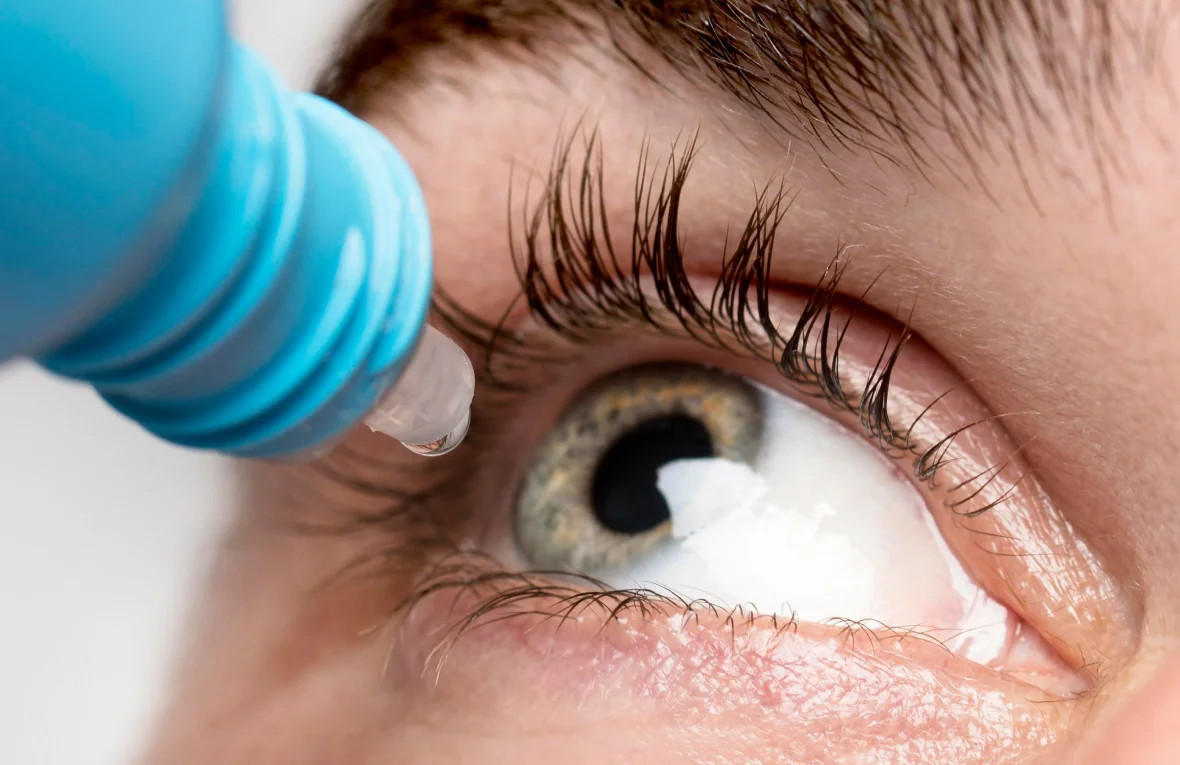
- Prescription eye drops to lower eye pressure
- Oral medications when needed
- Laser therapy referrals
- Surgical intervention coordination for advanced cases
- Regular monitoring to adjust treatment as needed
Who is at Risk for Glaucoma?
Risk factors include age over 60, family history of glaucoma, elevated eye pressure, diabetes, and certain ethnicities. If you have risk factors or haven’t had a comprehensive eye exam recently, schedule an appointment at Liberty Hill Vision in Liberty Hill, TX today.
Protecting your vision starts with early detection. Contact our Liberty Hill eye care team for glaucoma screening and personalized treatment.
Frequently Asked Questions
How often should I have an eye exam?
It’s recommended that adults have a comprehensive eye exam every 1-2 years, even if your vision seems fine. For children, their first eye exam should be at 6 months, followed by another at 3 years old, and then annually during school years. If you wear glasses or contact lenses or have a medical condition like diabetes, you may need more frequent exams.
What are the signs that I need glasses?
If you’re experiencing frequent headaches, eye strain, blurry vision (either up close or at a distance), difficulty seeing at night, or squinting to focus, these could be signs that you need glasses. A comprehensive eye exam will determine if corrective lenses are necessary.
What causes dry eyes, and how can I treat it?
Dry eyes can be caused by aging, certain medications, environmental factors, or prolonged screen use. Treatment options include artificial tears, prescription eye drops, and lifestyle adjustments such as taking breaks from screens. An eye doctor can recommend the best course of treatment based on the severity of your symptoms.
Are there ways to prevent common eye diseases like glaucoma or cataracts?
While you can’t always prevent eye diseases, there are steps you can take to reduce your risk. These include wearing UV-blocking sunglasses, eating a healthy diet rich in antioxidants, avoiding smoking, and having regular eye exams to catch any issues early. Managing conditions like diabetes or high blood pressure can also help protect your eye health.